The pursuit of happiness has been one of humanity’s most enduring aspirations. From antiquity to the present day, joy has remained both elusive and deeply coveted, a state of being sought by philosophers, mystics, artists, and scientists alike.
More than two thousand years ago, the Greek philosopher Aristotle described happiness, or eudaimonia. Rather than fleeting, hedonic pleasure or modern “happiness,” it represents the highest human good- a state of fulfillment, purpose, and doing what is inherently worthwhile. The Roman philosopher Seneca argued that true happiness arises not from external possessions but from inner harmony. Centuries later, the Persian poet Rumi wrote, “When the soul lies down in that grass, the world is too full to talk about,” pointing toward transcendent states of joy beyond language. In the eighteenth century, the pursuit of happiness became so central to human aspirations that it was enshrined as an inalienable right in the American Declaration of Independence.
For most of history, happiness was explored through religion, spirituality, philosophy, literature, and the visual arts. Buddhist teachings sought liberation from suffering through mindful awareness. Medieval cathedrals employed light and color to evoke spiritual elevation. Renaissance painters infused sacred scenes with luminous radiance intended to inspire wonder and contemplation. Poets, musicians, and artists across cultures have long attempted to capture moments of joy, serenity, transcendence, and human flourishing. Within the Christian tradition, joy is understood not merely as a fleeting emotion but as a profound spiritual state arising from communion with the Divine. Distinguished from happiness dependent on external circumstances, Christian joy is often described as an enduring inner condition rooted in faith, gratitude, love, and hope. As Saint Augustine wrote, “Our hearts are restless until they rest in You,” suggesting that the deepest human fulfillment is found in connection with a transcendent source. This understanding of joy has inspired centuries of sacred art, music, architecture, and contemplative practice aimed at elevating the human spirit beyond the concerns of everyday life.
Today, happiness has also become a subject of scientific inquiry. Neuroscientists, psychologists, and medical researchers investigate the biological foundations of well-being, exploring the roles of neurotransmitters and hormones such as dopamine, serotonin, oxytocin, and endorphins. Researchers study the physiological effects of deep breathing, meditation, and parasympathetic nervous system activation, seeking evidence-based approaches to reducing stress and enhancing resilience in an increasingly complex world.
Contemporary studies exploring the therapeutic effects of light, color, and sound continue to reveal intriguing possibilities. Specific wavelengths of light have demonstrated measurable physiological and psychological effects, while emerging research in sound therapy examines how frequency, resonance, and rhythm may influence mood, attention, and well-being. Likewise, the rhythm of slow, conscious breathing has been shown to optimize physiological parameters associated with health, stress reduction, and longevity. An emerging field of neuroaesthetics further investigates how the brain responds to beauty, rhythm, and form, revealing that aesthetic experience is not peripheral to human cognition but deeply embedded within it. Studies suggest that encounters with art can activate reward circuits, modulate attention, and influence emotional and physiological states, positioning perception itself as a site of measurable transformation.
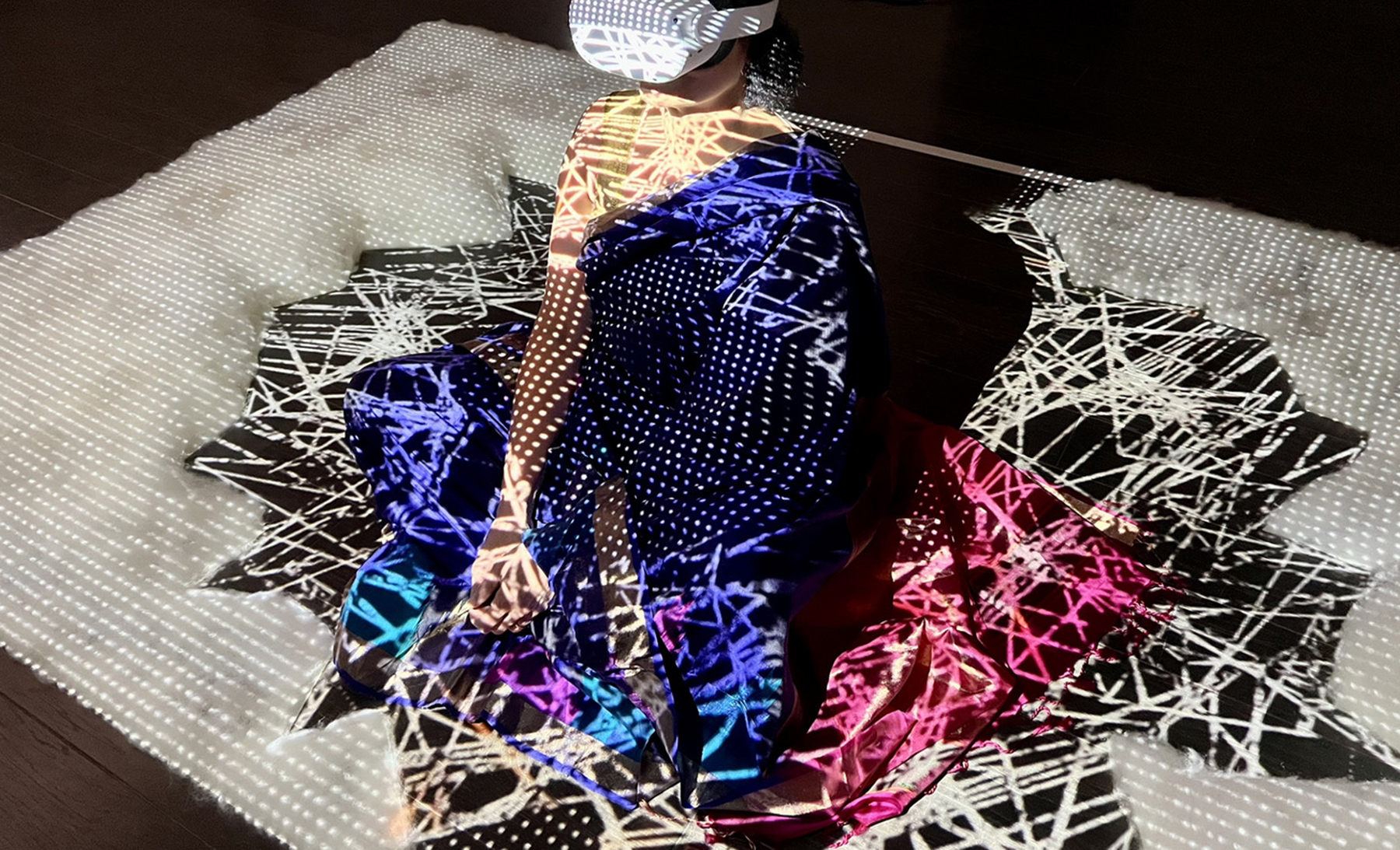
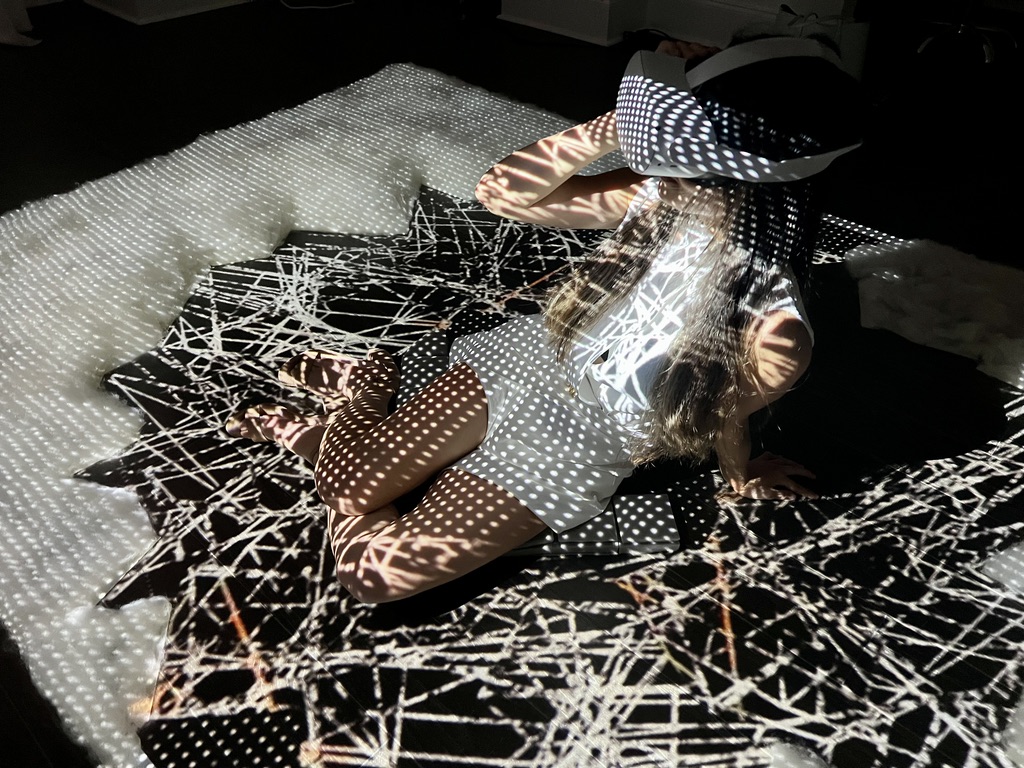
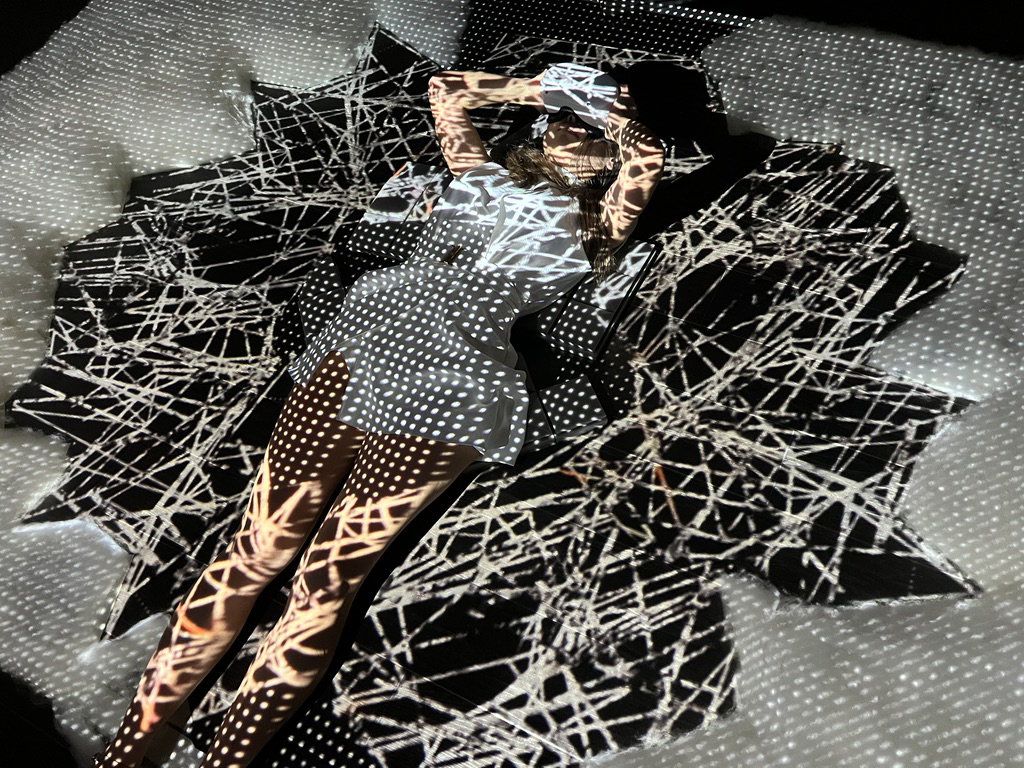
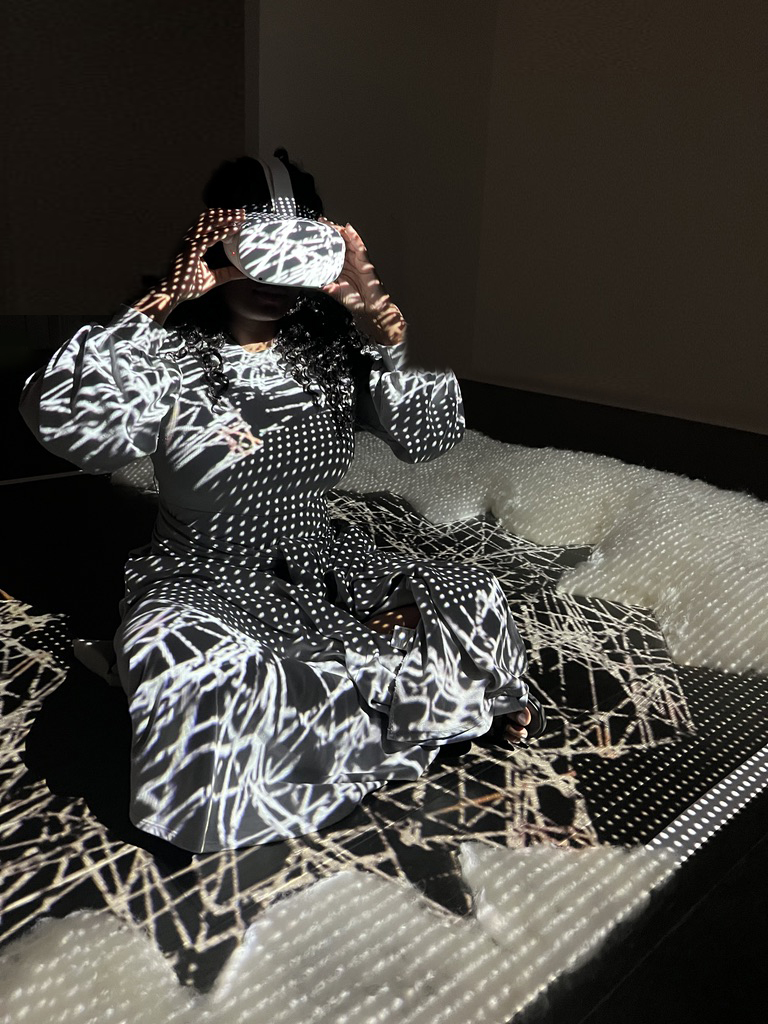
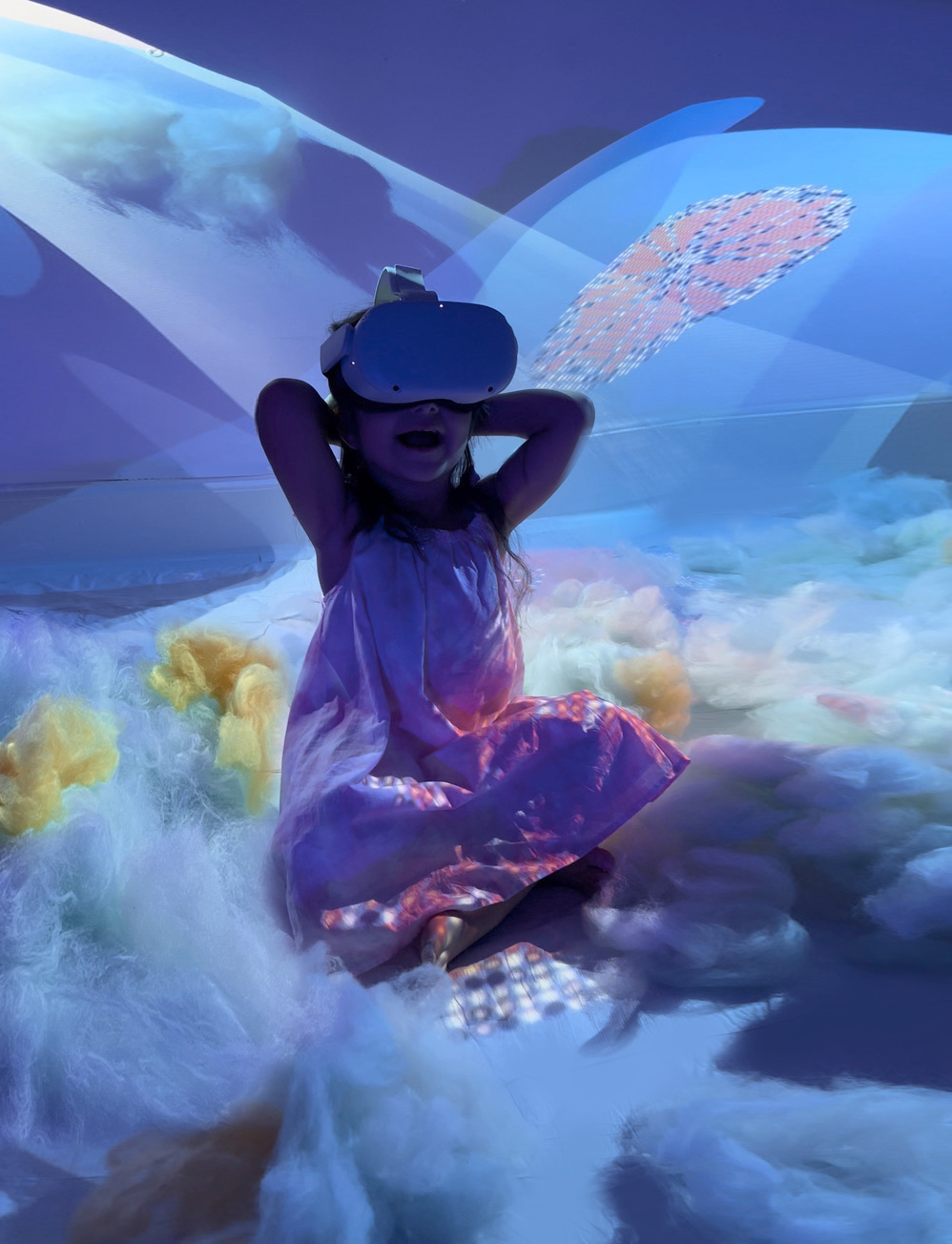
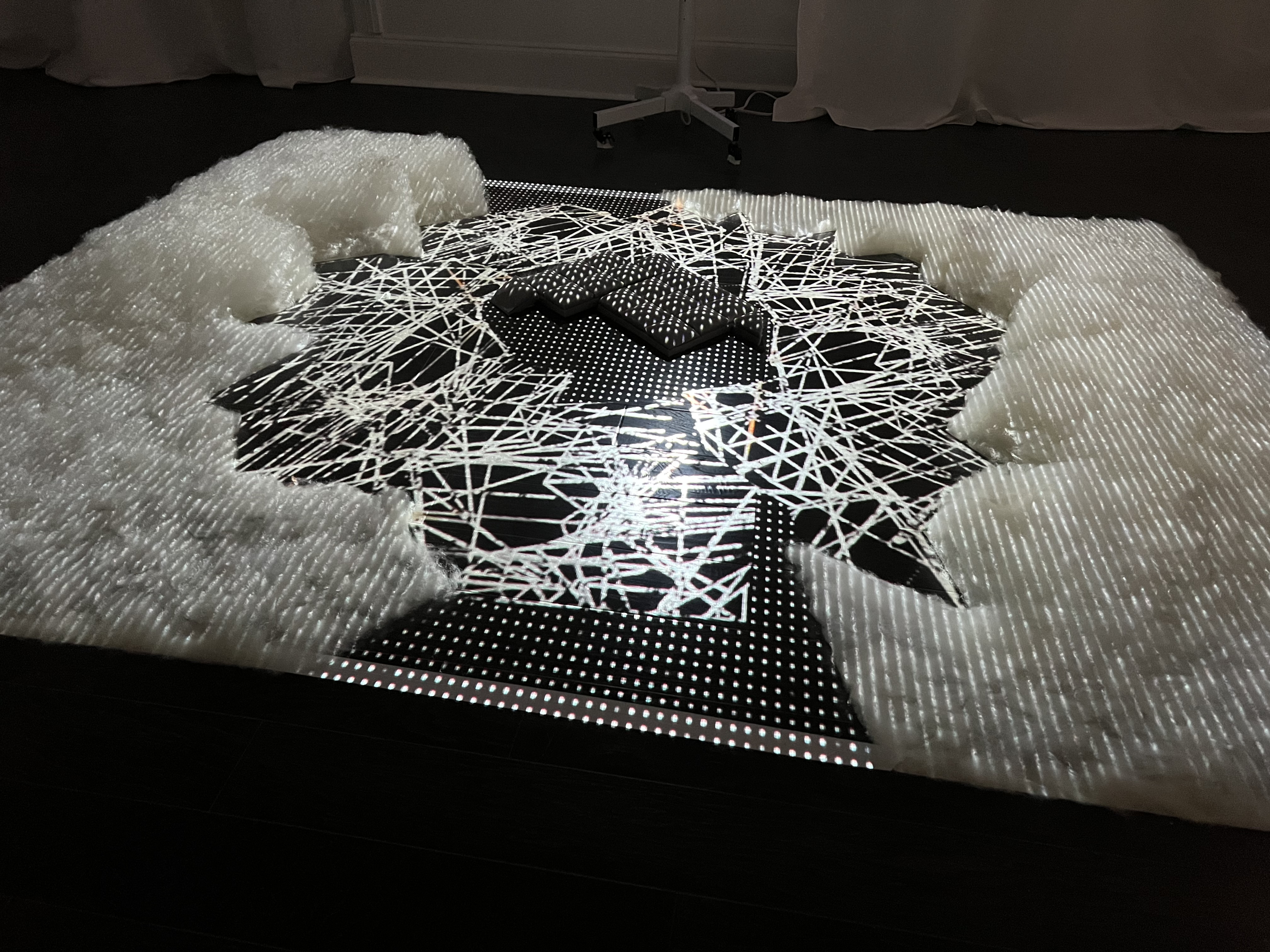
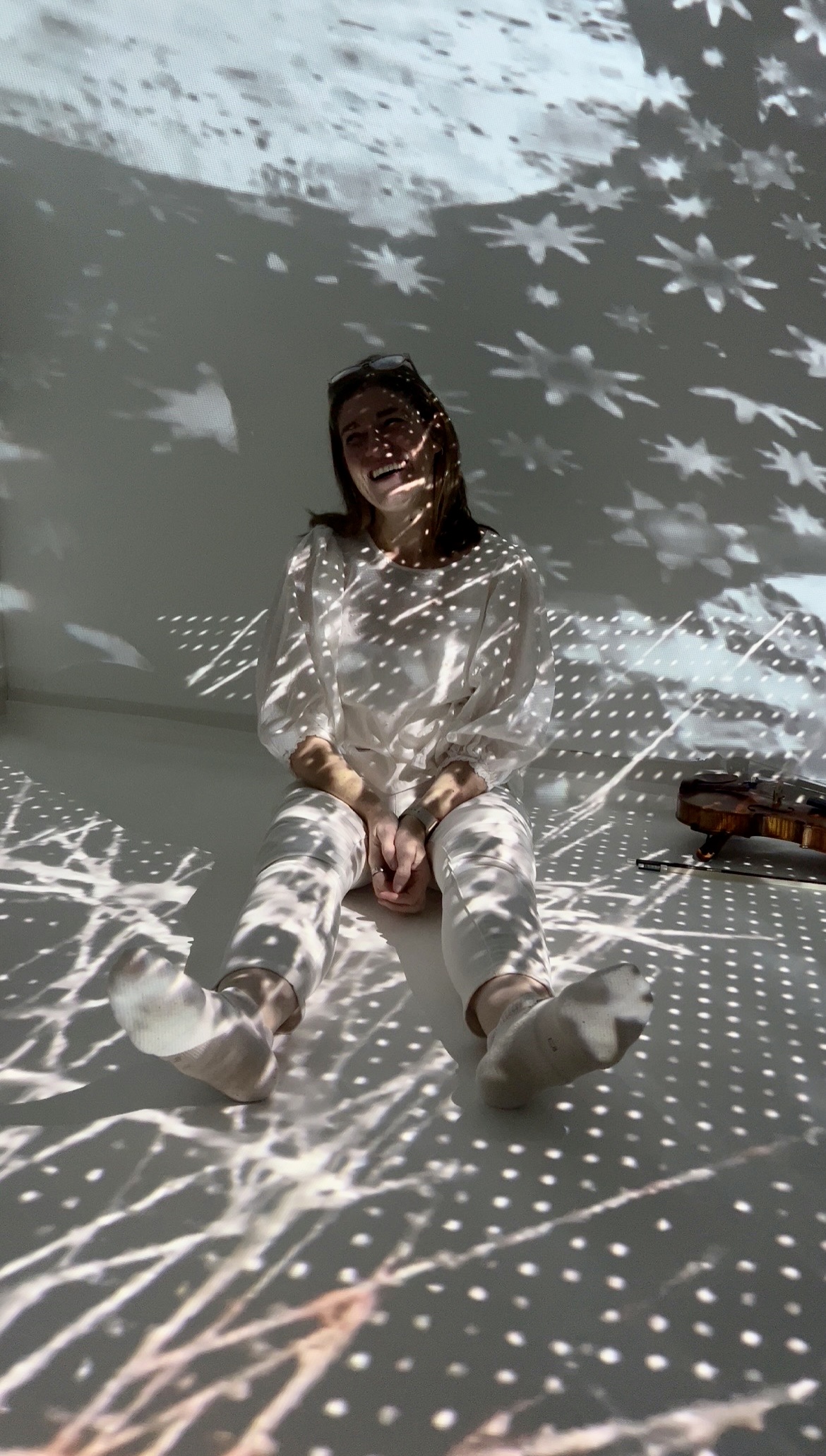
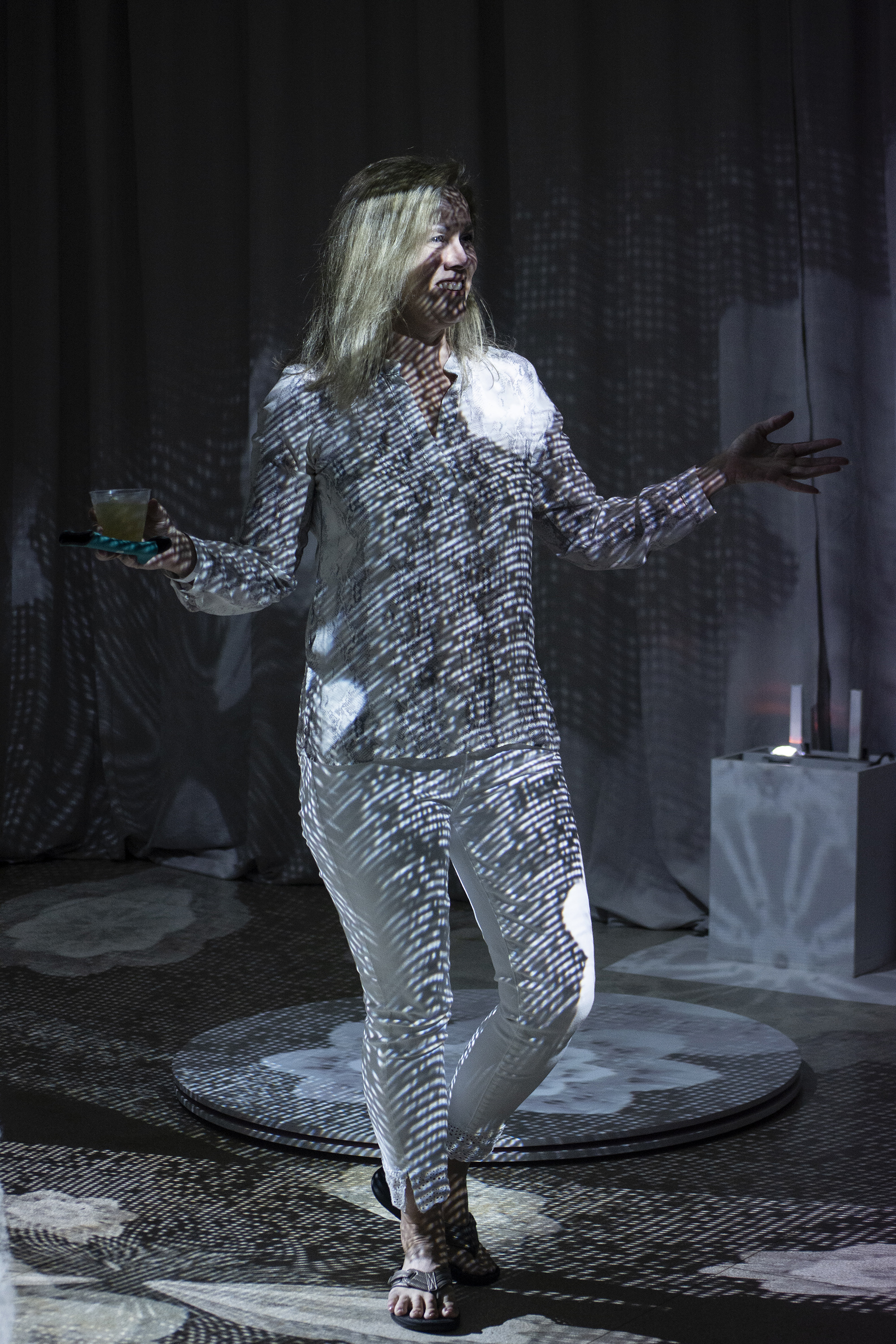
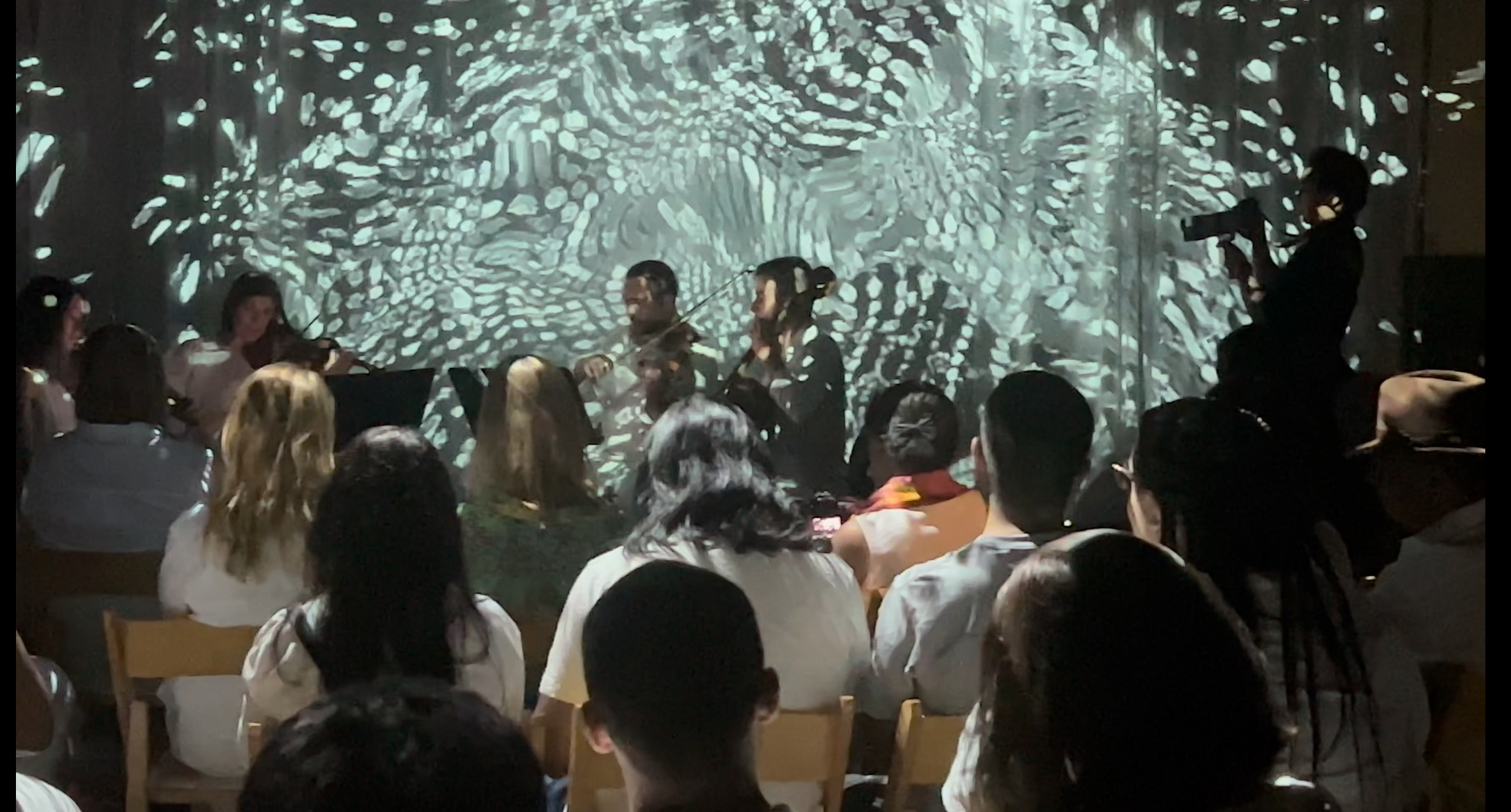
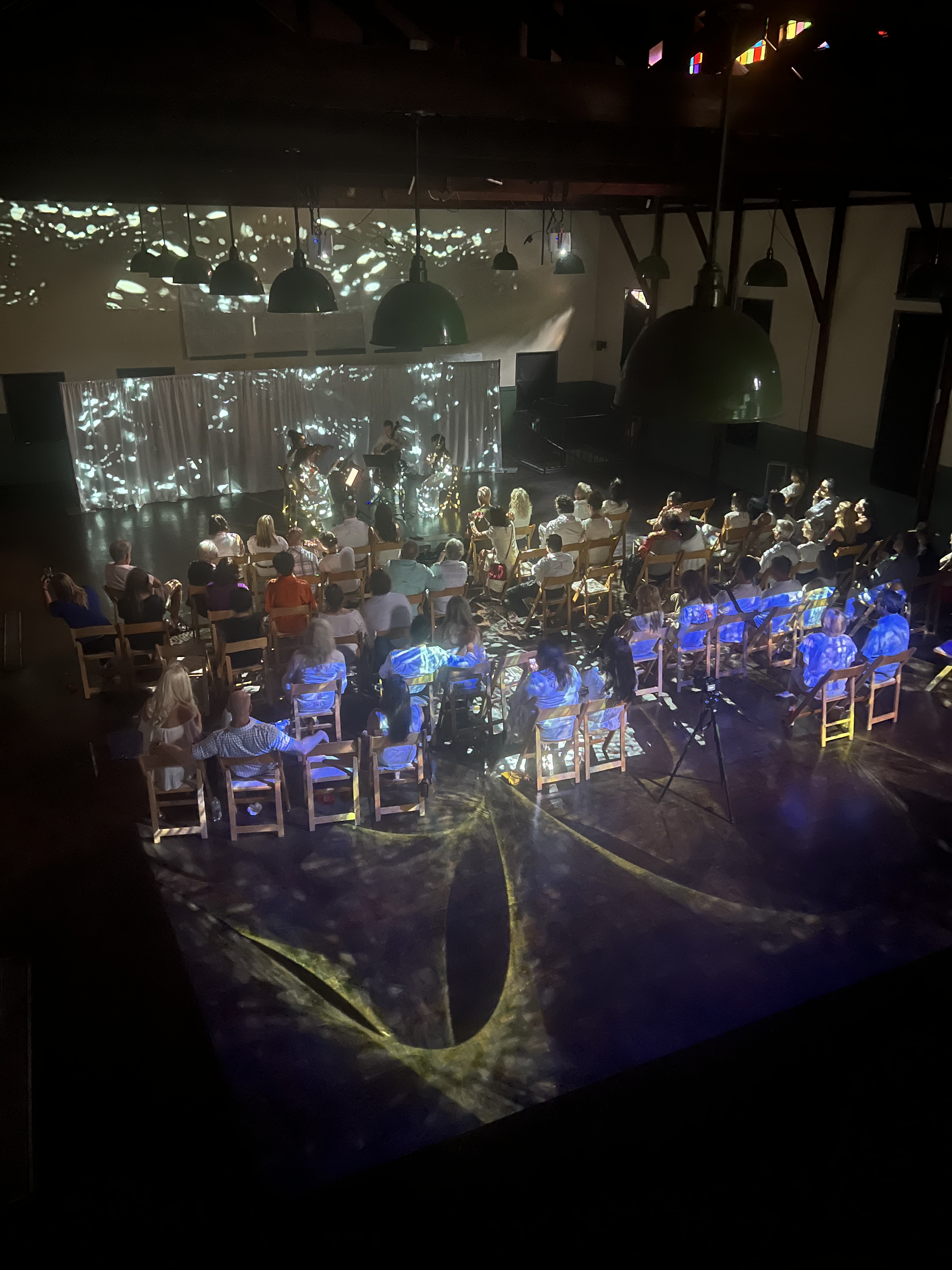
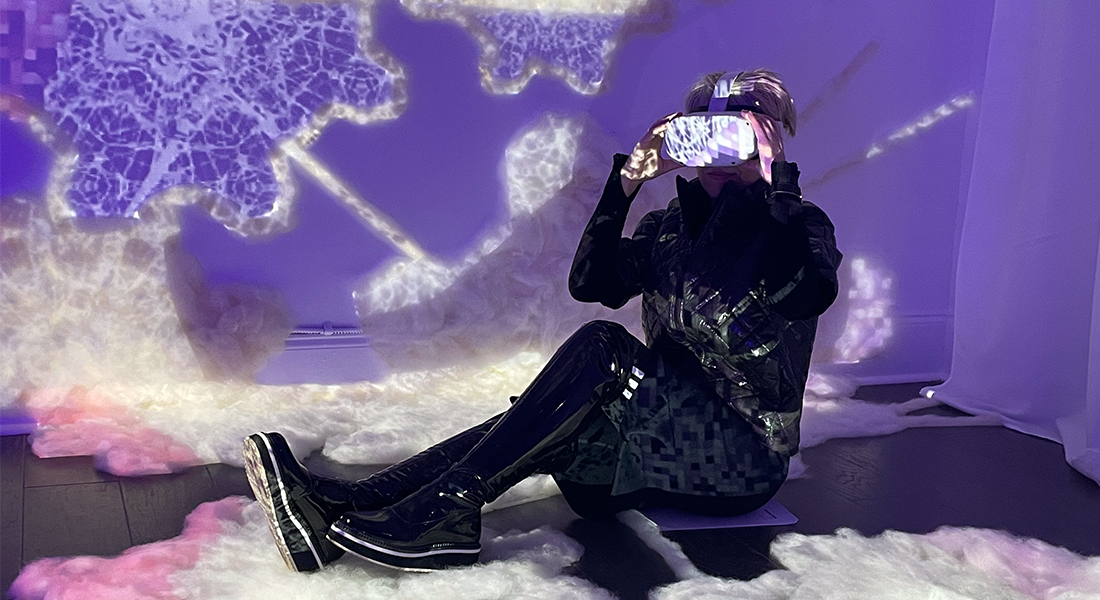
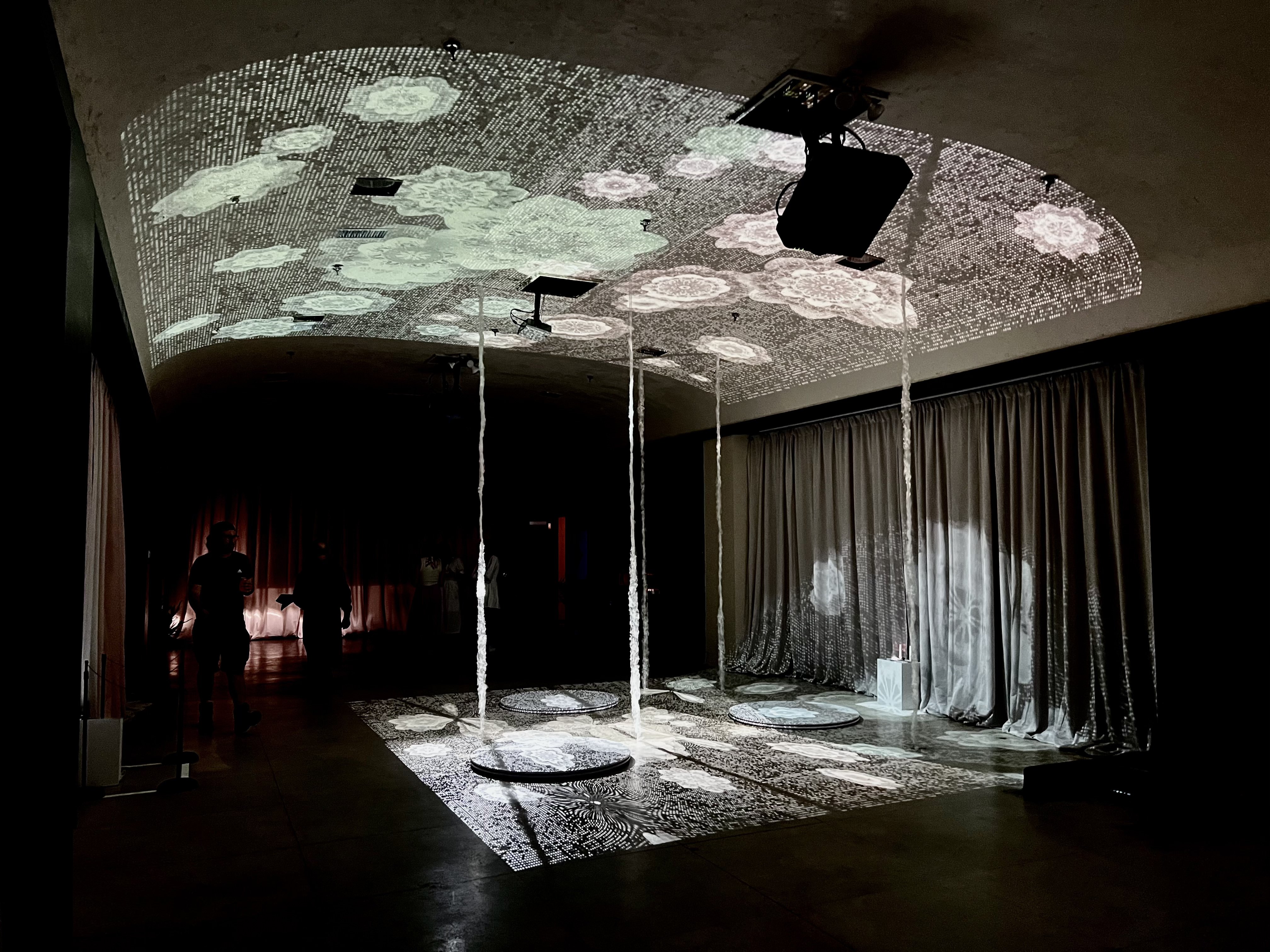
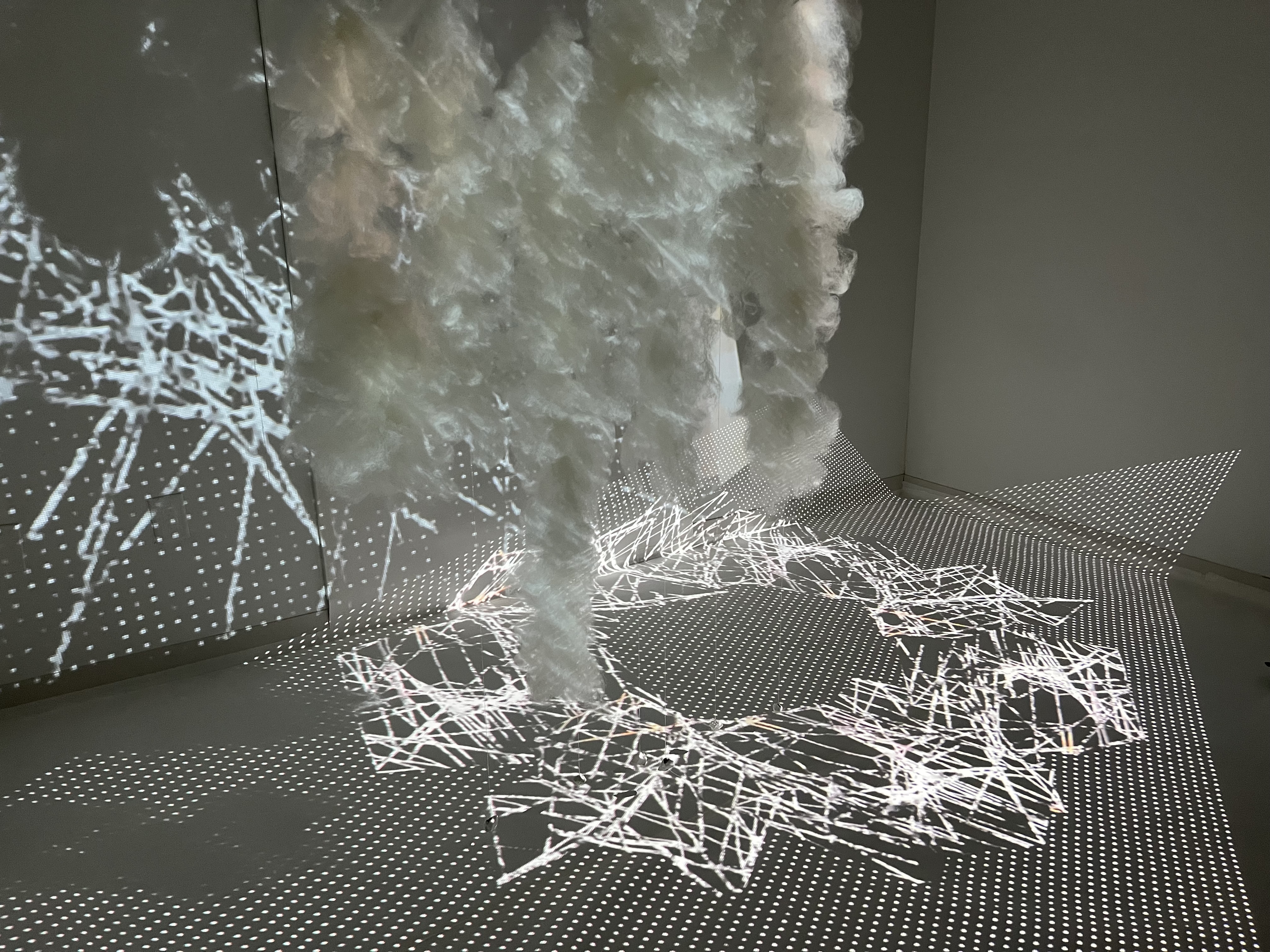
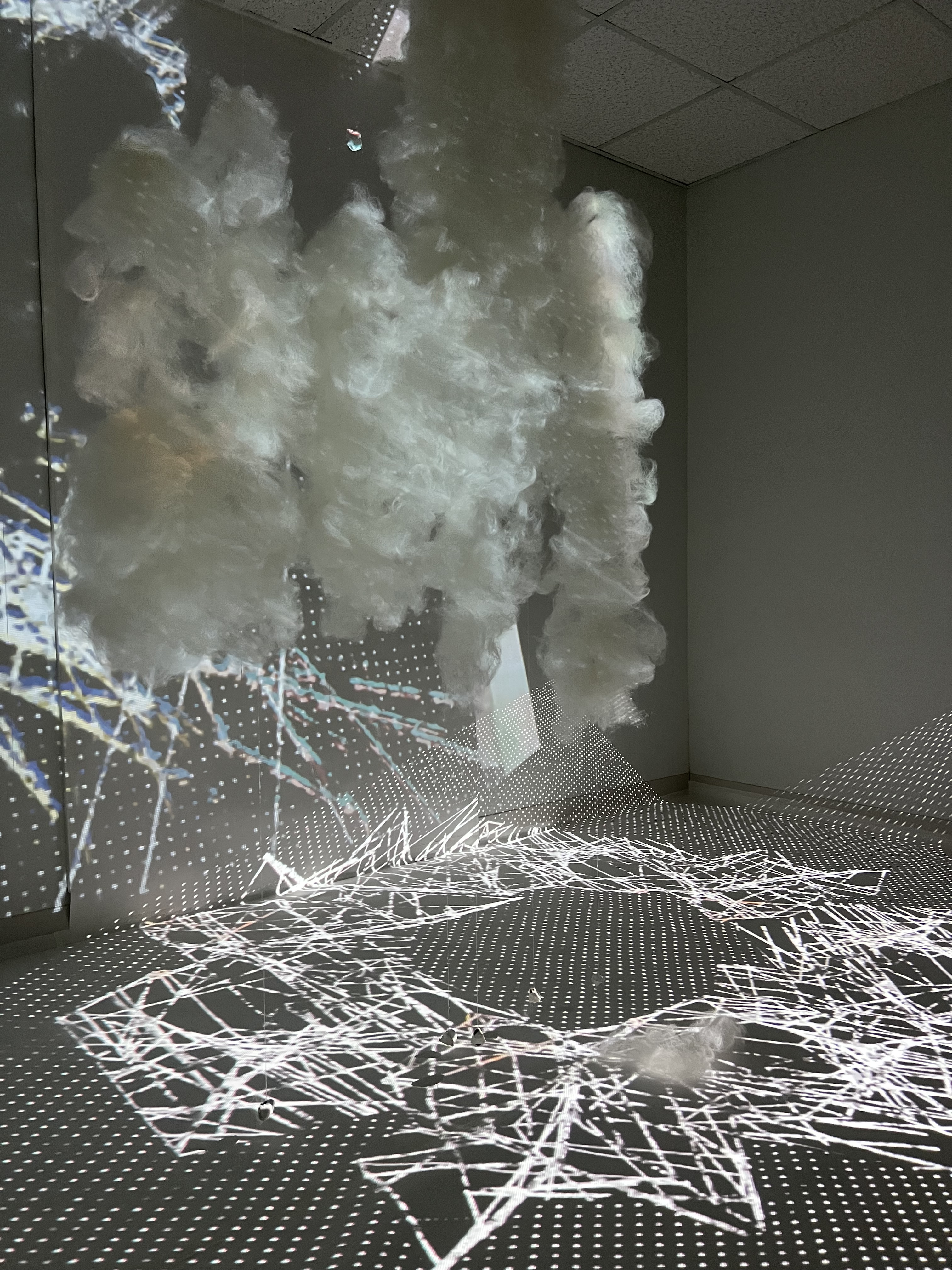
The physical and virtual immersive installation *Science of Happiness* draws inspiration from this growing body of research. Integrating light, color, sound, and breath-inspired rhythms into a contemporary artistic experience, the work creates an environment designed to encourage contemplation, restoration, and sensory engagement. Positioned at the intersection of art, science, and technology, *Science of Happiness* invites participants to explore how aesthetic experience may contribute to a deeper sense of connection, presence, and well-being.
Rather than defining happiness, the installation offers a space in which it might briefly emerge—through light, breath, rhythm, and the transformative power of aesthetic experience.
VR content collaboration with Pekko Vasantola.